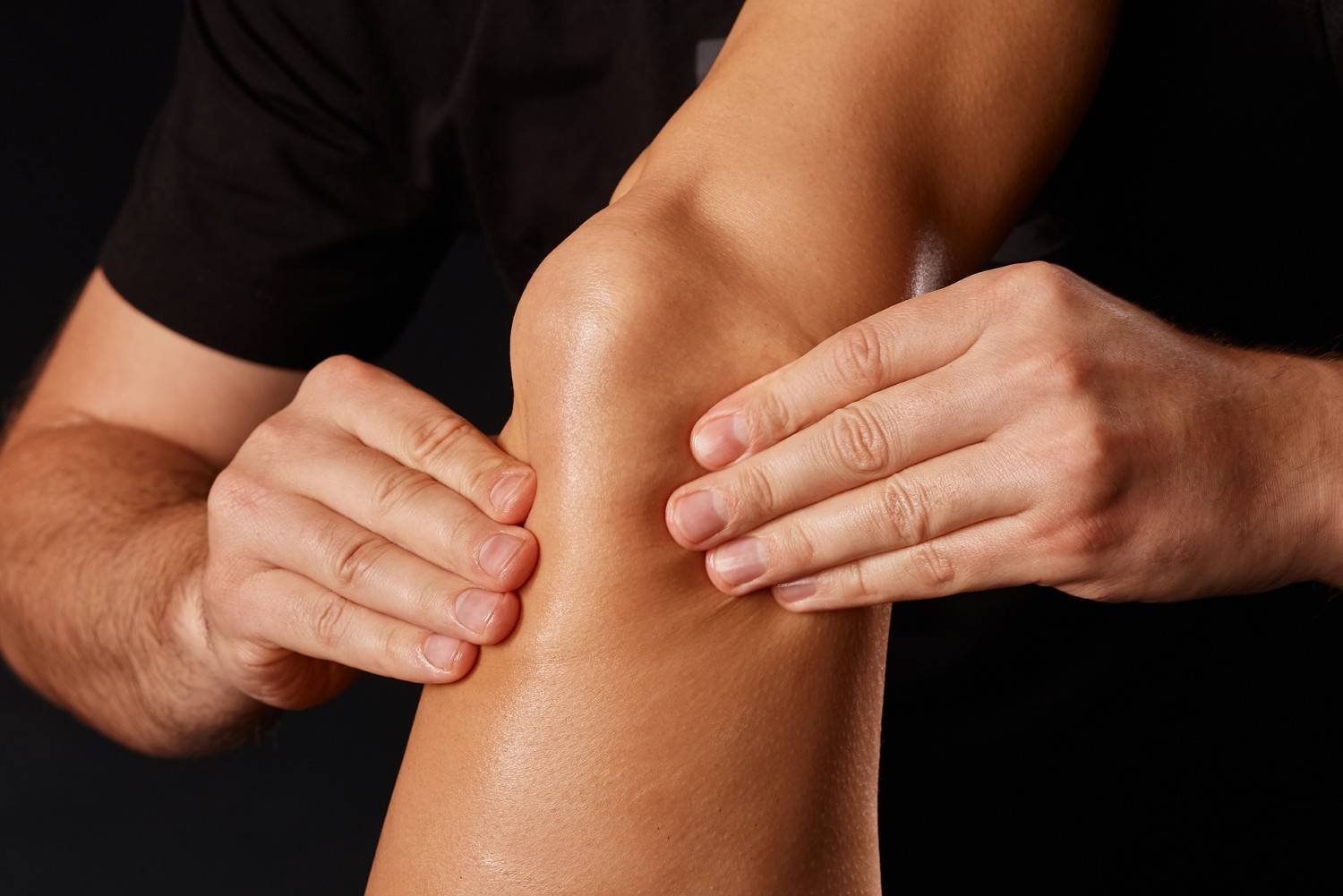
How long does it take to recover from Patellar Tendonitis with therapy at GS Physiotherapy Gurgaon?
If you are struggling with knee pain and have been diagnosed with patellar tendonitis, finding the right treatment is essential for a full recovery. At Patellar Tendonitis Therapy Centre in Sector-51, Gurgaon, we specialize in comprehensive physiotherapy programs designed to relieve pain, improve mobility, and restore strength. Recovery timelines for patellar tendonitis vary depending on the severity of the condition, adherence to therapy, and individual patient factors. At GS Physiotherapy, our experts ensure each patient receives personalized care that maximizes results and promotes long-term knee health.
For fast notification, contact us on WhatsApp.
Understanding Patellar Tendonitis
The overuse injury known as patellar tendinitis, or "jumper's knee," damages the tendon that connects your shinbone to your kneecap (patella). This condition is commonly seen in athletes who frequently jump, run, or engage in high-impact sports. However, it can also affect individuals with sedentary lifestyles or those recovering from knee injuries. Symptoms typically include pain directly over the patellar tendon, swelling, stiffness, and difficulty performing activities that involve bending the knee.
Left untreated, patellar tendonitis can worsen and potentially lead to chronic pain or even partial tendon tears. Early intervention through physiotherapy can make a significant difference in recovery time and overall outcomes.
How Physiotherapy Helps
At the Patellar Tendonitis Therapy Centre in Sector-51, Gurgaon, our physiotherapy approach is structured to reduce pain, enhance healing, and prevent recurrence. Therapy includes a combination of techniques such as:
Targeted Exercise Programs: Specific strengthening and stretching exercises for the quadriceps, hamstrings, and calves help offload stress from the patellar tendon and improve knee stability.
Manual Therapy: Hands-on techniques, including soft tissue mobilization, massage, and joint mobilizations, help relieve tension, improve circulation, and reduce inflammation.
Electrotherapy and Modalities: Tools like ultrasound therapy, laser therapy, and TENS units are employed to decrease pain and accelerate tissue healing.
Education and Lifestyle Modifications: Our therapists provide guidance on activity modification, proper biomechanics, and footwear choices to prevent further strain on the tendon.
Each therapy plan is customized to match the severity of the condition and the patient’s lifestyle, ensuring a safe and effective recovery path.
Recovery Timeline for Patellar Tendonitis
The duration of recovery from patellar tendonitis can vary significantly. While minor cases may improve within a few weeks, more severe or chronic conditions might take several months to heal. At the Patellar Tendonitis Therapy Centre in Sector-51, Gurgaon, we break down recovery into three main phases:
1. Acute Phase (Pain Reduction)
In the initial phase, the primary goal is to control pain and inflammation. This may involve rest from aggravating activities, ice therapy, gentle stretching, and pain-relief modalities. For most patients, this phase lasts around 1–3 weeks, depending on the severity of symptoms and the patient’s response to therapy. Early intervention is crucial during this stage, as untreated inflammation can prolong recovery.
2. Strengthening Phase
Once pain is under control, the focus shifts to restoring strength and flexibility to the knee. This phase includes progressive resistance exercises targeting the quadriceps, hamstrings, glutes, and calves. Strengthening surrounding muscles helps reduce stress on the patellar tendon, improving functionality and stability. Typically, this phase may last 4–8 weeks. Our physiotherapists closely monitor progress to ensure exercises are performed correctly, reducing the risk of reinjury.
3. Functional and Sports-Specific Phase
The final phase involves returning to normal activities, including sports or physically demanding tasks. Patients work on dynamic exercises, plyometrics, and functional training tailored to their specific needs. This phase ensures that the tendon can handle daily stresses and reduces the likelihood of recurrence. Depending on the individual, this stage can take 2–4 weeks or longer for high-intensity athletes.
It’s important to note that full recovery is not just about pain relief. Patients are considered fully recovered when they can resume their normal activities without discomfort or limitations in knee function.

Factors Influencing Recovery Time
Several factors can affect how long it takes to recover from patellar tendonitis, including:
Severity of the Condition: Mild inflammation may resolve faster, while chronic or severe tendon damage takes longer to heal.
Adherence to Therapy: Consistency in attending sessions and performing prescribed home exercises is key to recovery.
Age and Health: Younger patients and those in good overall health tend to heal faster than older individuals or those with underlying conditions.
Lifestyle and Activity Level: Athletes or individuals who frequently engage in high-impact activities may require extended therapy to safely return to their routine.
At the Patellar Tendonitis Therapy Centre in Sector-51, Gurgaon, our therapists assess these factors to design a personalized recovery plan that is realistic and effective.
Why Choose GS Physiotherapy?
GS Physiotherapy has earned a reputation as a leading Patellar Tendonitis Therapy Centre in Sector-51, Gurgaon, due to our patient-focused approach and advanced therapy techniques. Here’s why patients choose us:
Expert Physiotherapists: Our team has extensive experience in treating tendon injuries, ensuring evidence-based and effective care.
Advanced Equipment: We use the latest physiotherapy tools and techniques to accelerate recovery and provide long-term relief.
Personalized Care: Every patient receives a customized treatment plan based on their specific condition, lifestyle, and goals.
Convenient Location: Situated in Sector-51, Gurgaon, our center is easily accessible for residents in the area seeking specialized care.
Our comprehensive approach not only addresses the symptoms but also targets the root cause of patellar tendonitis, helping patients achieve lasting results.
Tips for a Speedy Recovery
While physiotherapy is the cornerstone of treatment, patients can take additional steps to support their recovery:
Follow Home Exercise Programs: Perform exercises prescribed by your physiotherapist regularly to strengthen and stabilize the knee.
Avoid Aggravating Activities: Reduce jumping, running, or high-impact movements until cleared by your therapist.
Maintain Proper Nutrition: A balanced diet rich in protein, vitamins, and minerals supports tendon healing.
Wear Supportive Footwear: Proper shoes can reduce unnecessary stress on the knee during daily activities.
Stay Patient and Consistent: Tendon injuries take time to heal, so consistency and patience are essential.
Adhering to these tips alongside professional therapy significantly enhances recovery outcomes.
Conclusion
Recovery from patellar tendonitis is achievable with the right treatment, guidance, and patient commitment. At the Patellar Tendonitis Therapy Centre in Sector-51, Gurgaon, GS Physiotherapy provides specialized care that addresses pain, strengthens the knee, and restores mobility. While recovery time varies from patient to patient, most individuals experience noticeable improvement within 6–12 weeks when therapy is followed diligently. By combining expert physiotherapy, personalized exercise programs, and patient education, we ensure that each patient can return to their daily activities and sports safely and confidently.
For more information about GS Physiotherapy, visit https://gsphysiotherapy.in/ to learn more about their services or to book an appointment.
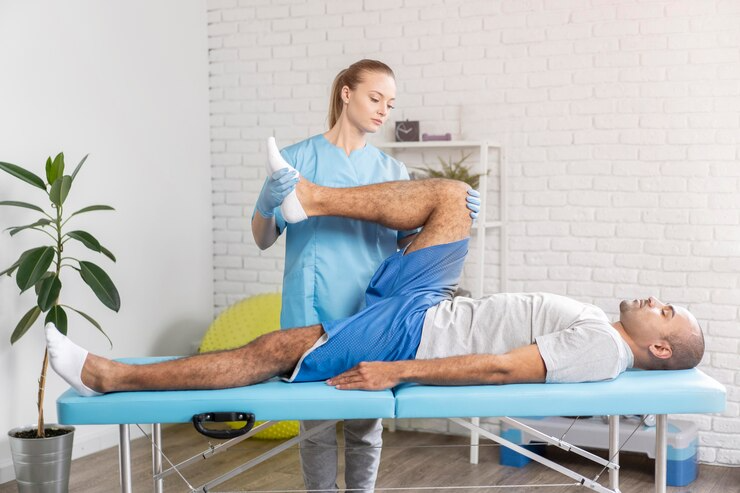
Why is GS Physiotherapy Considered the Best Physiotherapy Clinic in Gurgaon?
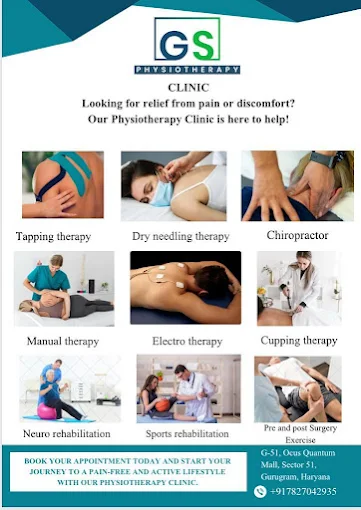
क्यों GS Physiotherapy को गुड़गांव में सर्वश्रेष्ठ फिजियोथेरेपी क्लिनिक माना जाता है?
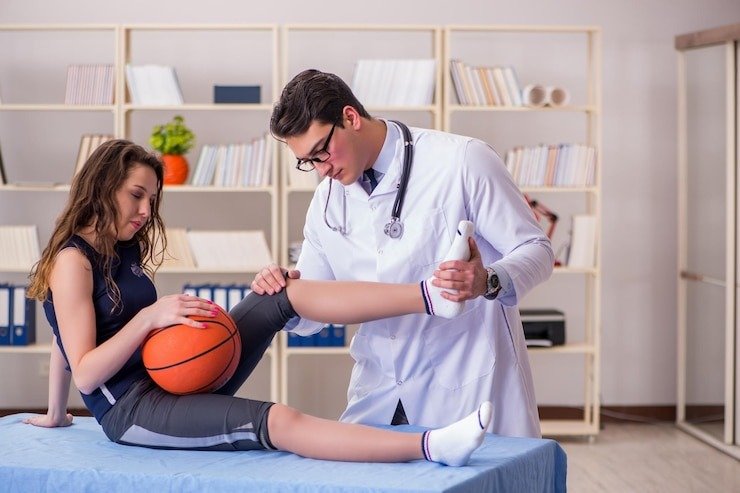
What Techniques Are Used at GS Physiotherapy for Tennis Elbow Relief?