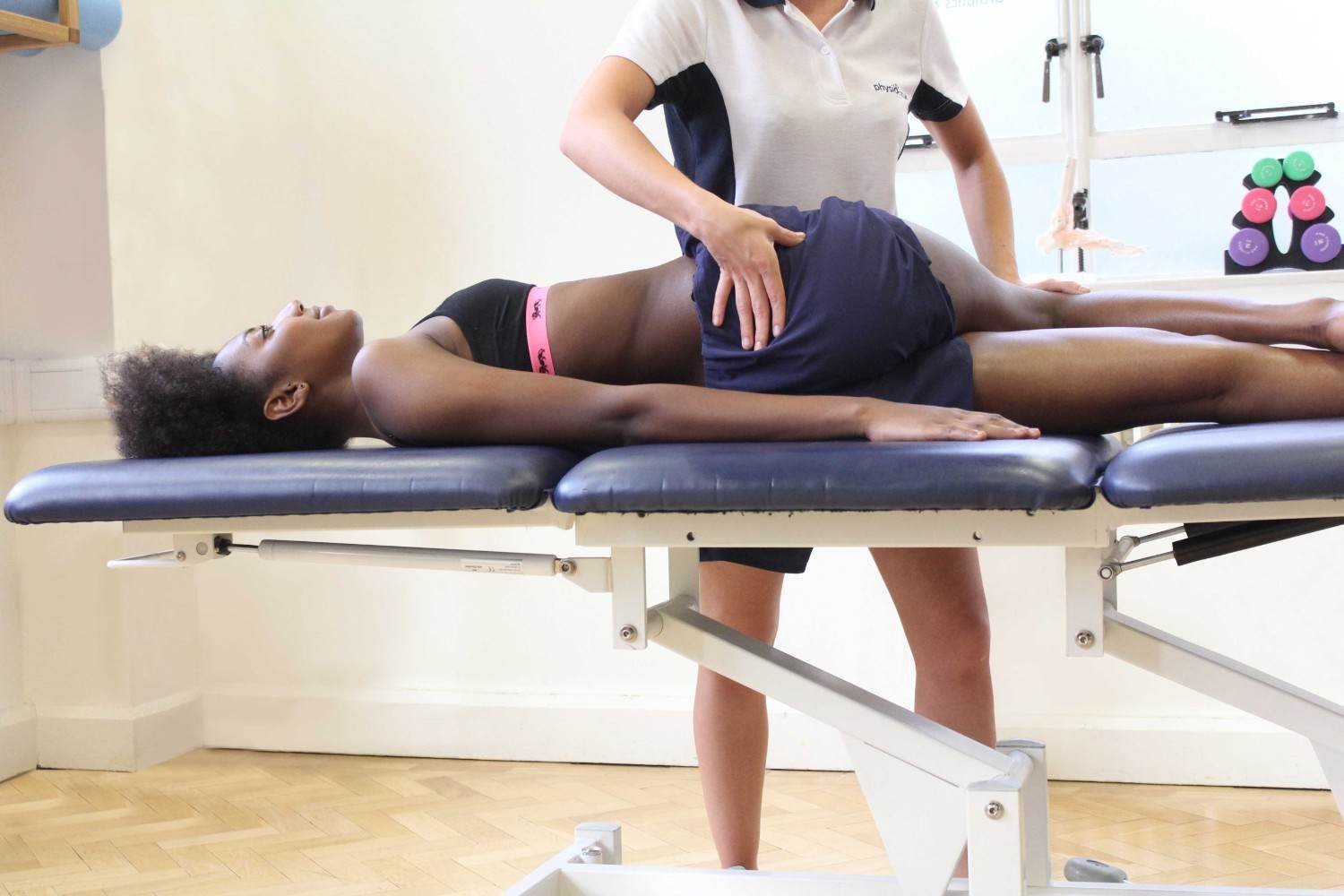
How Can Hip Pain Physiotherapy in Sector 51 Gurugram Help Reduce Pain?
Hip pain can make walking, climbing stairs, sitting, standing, and even sleeping uncomfortable. Hip Pain Physiotherapy in Sector 51 Gurugram can help manage pain by identifying movement limitations, improving hip mobility, strengthening supporting muscles, and helping you return to everyday activities. The right treatment depends on the cause and severity of the pain, so a physiotherapist can assess your condition and create a suitable rehabilitation plan.
For fast notification, contact us on WhatsApp.
What Causes Hip Pain?
Hip pain can develop for many reasons. It may result from an injury, muscle strain, tendon problems, joint stiffness, arthritis, or changes in movement patterns.
Common causes include:
Muscle or tendon strain
Bursitis
Hip osteoarthritis
Sports injuries
Hip impingement
Labral problems
Post-injury stiffness
Reduced muscle strength
Poor movement mechanics
Pain may be felt around the hip, groin, buttocks, or upper thigh. Some people may also experience stiffness, weakness, or reduced range of motion. The NHS advises that persistent or worsening hip pain should be assessed rather than self-diagnosed.
How Can Hip Pain Physiotherapy Help Reduce Pain?
Hip Pain Physiotherapy in Sector 51 Gurugram focuses on more than temporary pain relief. Physiotherapy aims to improve the way the hip and surrounding muscles move and function.
A physiotherapist may use a combination of assessment, therapeutic exercises, manual techniques, movement training, and education.
The treatment plan can vary depending on your symptoms and diagnosis.
1. Detailed Hip Assessment
The first step is understanding why the hip is painful.
A physiotherapist may assess:
Hip range of motion
Muscle strength
Flexibility
Walking pattern
Balance
Joint mobility
Movement-related pain
This assessment helps the therapist identify physical limitations and select suitable exercises and treatment techniques.
2. Therapeutic Exercises for Hip Strength
Weak muscles around the hip can affect movement and place additional stress on the surrounding structures.
Your physiotherapist may prescribe exercises to strengthen the hip and lower-limb muscles. Depending on your condition, these may include controlled strengthening, flexibility exercises, and functional movements.
The 2025 APTA clinical practice guideline for hip osteoarthritis supports individualized flexibility, strengthening, and endurance exercises as part of physiotherapy management.
The exercises should be progressed gradually. Performing too much too soon can increase irritation, so exercises should match your current ability.
3. Manual Therapy for Hip Mobility
Stiffness can make normal hip movements difficult. Manual therapy may be used by a qualified physiotherapist when appropriate.
Depending on the condition, techniques may include soft-tissue work or joint mobilization. These techniques can help improve mobility and may provide short-term pain relief in suitable patients.
Current APTA guidance includes manual therapy as one component of physiotherapy management for appropriate cases of hip osteoarthritis.
Manual therapy is usually combined with active exercises rather than used as the only treatment.
4. Improving Walking and Daily Movement
Hip pain can change the way you walk. You may start avoiding one side or taking shorter steps because of discomfort.
Over time, these changes can affect other parts of the body.
Hip Pain Physiotherapy in Sector 51 Gurugram may include functional training to improve walking, balance, stair movement, and other daily activities. Treatment can be adjusted according to your specific limitations and goals.
5. Education and Activity Modification
Knowing what to do and what to avoid can make rehabilitation easier.
A physiotherapist may guide you on:
Sitting positions
Safe exercise levels
Work-related movements
Walking and activity progression
Rest and recovery
Home exercises
Gradual return to normal activities
You do not always need complete rest for hip pain. In many conditions, appropriate movement can be an important part of recovery. However, painful activities may need to be modified while the hip recovers.
When Should You Consider Hip Pain Physiotherapy?
Consider professional assessment if hip pain:
Continues for several days or keeps returning
Affects walking or stairs
Limits your range of motion
Makes sitting or standing uncomfortable
Interferes with sleep
Occurs after sports or physical activity
Causes weakness or stiffness
Affects your normal daily activities
If the pain is severe, suddenly appears, follows a significant injury, or you cannot put weight on your leg, medical assessment may be needed urgently. The NHS also recommends urgent assessment for symptoms such as severe pain after an injury, inability to walk, or a hot, swollen hip with fever.
What Can You Expect at GS Physiotherapy?
At GS Physiotherapy, treatment is planned according to the individual's condition and rehabilitation needs. The clinic provides physiotherapy services including orthopedic physiotherapy, manual therapy, exercise therapy, electrotherapy, and other rehabilitation approaches.
For hip pain, the treatment approach may involve assessment, movement correction, strengthening, mobility exercises, and a progressive home program.
The aim is to help patients improve movement and function while managing pain safely.
GS Physiotherapy is located at Ocus Quantum, G-51, Mall, Sector 51, Gurugram, Haryana.
Why Choose Hip Pain Physiotherapy in Sector 51 Gurugram?
Choosing a physiotherapy clinic close to home or work can make it easier to follow a rehabilitation plan consistently.
Regular treatment and appropriate home exercises can support gradual improvements in strength, mobility, and function. However, recovery time varies because hip pain can have many different causes.
Hip Pain Physiotherapy in Sector 51 Gurugram can provide an individualized approach instead of relying on the same exercises for every patient.
Frequently Asked Questions About Hip Pain Physiotherapy
1. Can physiotherapy help with hip pain?
Yes. Physiotherapy can help manage many types of hip pain by addressing mobility restrictions, muscle weakness, flexibility problems, movement patterns, and functional limitations. Treatment depends on the underlying cause.
2. What exercises are commonly used for hip pain?
Exercises vary according to the individual's condition. A physiotherapist may recommend strengthening, stretching, mobility, balance, or functional exercises. The program should be customized rather than copied from a general exercise routine.
3. How long does hip physiotherapy take to work?
Recovery time varies based on the cause, severity, duration of symptoms, age, activity level, and response to treatment. Some people may improve relatively quickly, while chronic or post-surgical problems may require a longer rehabilitation program.
4. Is manual therapy useful for hip pain?
Manual therapy may help selected patients improve hip mobility and reduce pain, particularly when joint or soft-tissue restrictions are present. It is generally used alongside active rehabilitation rather than as the sole treatment.
5. Can I continue normal activities during hip physiotherapy?
In many cases, appropriate activity can continue with modifications. Your physiotherapist can help you understand which movements are suitable and how to gradually increase activity without unnecessarily irritating the hip.
Conclusion
Hip pain can affect much more than your ability to walk. It can interfere with exercise, work, sleep, and everyday activities. Hip Pain Physiotherapy in Sector 51 Gurugram can help by addressing pain, stiffness, muscle weakness, mobility limitations, and movement problems through an individualized rehabilitation program.
At GS Physiotherapy, the focus is on assessment, personalized treatment, therapeutic exercise, and functional recovery. If hip pain is affecting your daily routine or continues to return, a professional physiotherapy assessment can help determine the appropriate next step.
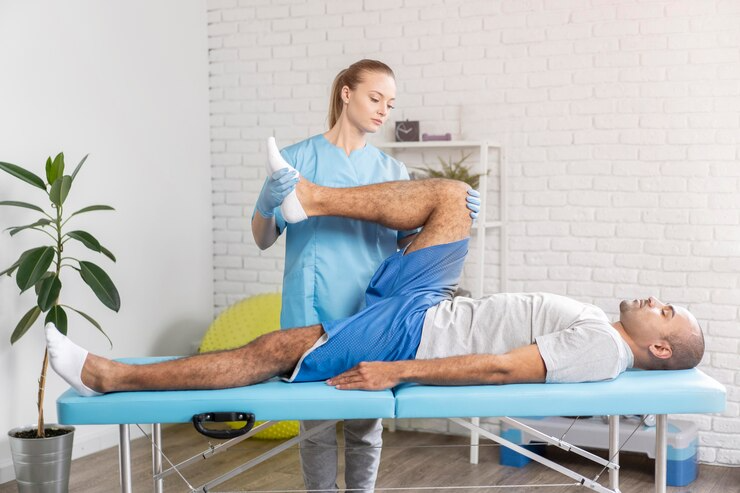
Why is GS Physiotherapy Considered the Best Physiotherapy Clinic in Gurgaon?
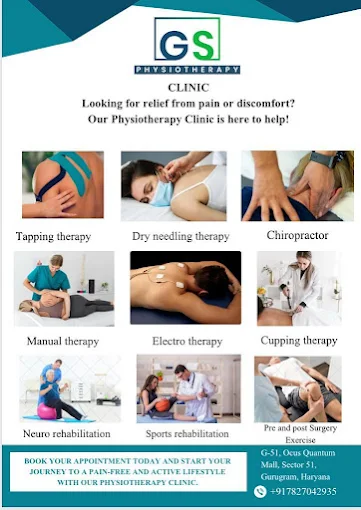
क्यों GS Physiotherapy को गुड़गांव में सर्वश्रेष्ठ फिजियोथेरेपी क्लिनिक माना जाता है?

What Techniques Are Used at GS Physiotherapy for Tennis Elbow Relief?