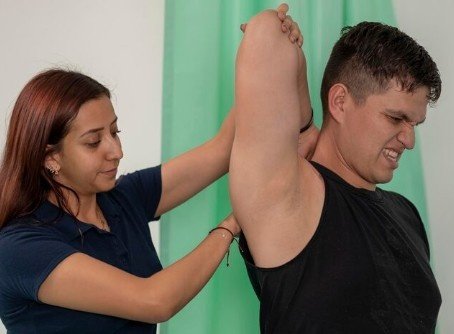
What are the Safest Exercises to Rebuild Shoulder Strength Post-Dislocation?
If you’re searching for the Best Strength training after shoulder Dislocation in Sector-57, Gurugram, GS Physiotherapy offers specialized rehabilitation programs designed to restore function safely. Our evidence-based approach emphasizes gradual progression, rotator cuff strengthening, and long-term stability for your shoulder joint.
Recovering from a shoulder dislocation can be both physically and emotionally challenging. Many patients worry about reinjury or losing shoulder mobility after such an event. However, with the right physiotherapy guidance and a safe exercise routine, regaining strength and stability is entirely achievable.
For fast notification, contact us on WhatsApp.
Understanding Shoulder Dislocation and Recovery
A shoulder dislocation happens when the upper arm bone (humerus) slips out of its socket in the shoulder blade. Since this joint has the widest range of motion in the body, it’s also one of the most prone to instability. After dislocation, the shoulder capsule, ligaments, and surrounding muscles often become stretched or weakened — increasing the risk of recurrence.
That’s why rehabilitation is crucial. It rebuilds strength, enhances flexibility, and improves joint stability. Attempting to resume full activity too soon can lead to repeated dislocations or chronic weakness. Consulting experts at GS Physiotherapy, known for offering the Best Strength training after shoulder Dislocation in Sector-57, Gurugram, ensures that each exercise is safe, purposeful, and tailored to your recovery phase.

The Role of Physiotherapy in Shoulder Rehabilitation
Physiotherapy is the cornerstone of shoulder recovery after a dislocation. A physiotherapist evaluates your injury, range of motion, and muscle imbalances before crafting a structured program.
At GS Physiotherapy, our specialists follow a stepwise, pain-free rehabilitation plan that focuses on stability, strength, and mobility through targeted rotator cuff strengthening and shoulder blade control.
Phases of Recovery:
Immobilization and Rest: Allow healing and reduce inflammation with limited movement.
Gentle Mobility Exercises: Begin restoring range of motion carefully.
Strength and Stability Training: Gradually strengthen the rotator cuff and scapular stabilizers.
Functional Training: Prepare the shoulder for daily use and sports activities.
By enrolling in the Best Strength training after shoulder Dislocation in Sector-57, Gurugram, you receive professional supervision to ensure safe and steady progress at every phase.
Safest Exercises to Rebuild Shoulder Strength
Here are the most effective and safest exercises for rebuilding shoulder strength after a dislocation. Always perform them under professional supervision to avoid overexertion.
1. Pendulum Swings
Lean forward slightly and let your affected arm hang freely. Swing it gently in small circles to promote joint lubrication and reduce stiffness. This is an ideal early-stage movement.
2. Isometric Shoulder Contractions
Stand near a wall and press your palm gently against it without moving your arm. Hold for five seconds, then relax. Repeat several times daily. This maintains muscle tone during the initial recovery phase.
3. Scapular Squeezes
Sit or stand straight, then pull your shoulder blades together. Hold for a few seconds before releasing. Strong shoulder blade muscles enhance stability and posture — both critical for avoiding re-injury.
4. External Rotation with Resistance Band
Attach a resistance band to a stable surface. With your elbow bent at 90 degrees and tucked near your side, pull the band outward. This strengthens your rotator cuff muscles, which are vital for joint control and preventing future dislocations.
5. Wall Push-ups
Put your hands shoulder-high while facing a wall. Bring your chest closer to the wall by bending your elbows, then push back gently. This builds endurance and shoulder control while minimizing load.
6. Prone Shoulder Extensions
With your arms by your sides and your palms toward the ground, lie face down. Slowly lift your arms upward and squeeze your shoulder blades together. This targets the posterior shoulder muscles responsible for joint stability.
7. Arm Raises to 90 Degrees
Lift your arm sideways up to shoulder height, stopping at 90 degrees. Avoid lifting higher in early recovery to prevent strain. Controlled movements improve strength, balance, and shoulder coordination.
8. Rotator Cuff Strengthening
At GS Physiotherapy, experts guide patients through resistance-based rotator cuff strengthening to ensure safety and effectiveness.
All these exercises are strategically included in rehabilitation plans at GS Physiotherapy, offering the Best Strength training after shoulder Dislocation in Sector-57, Gurugram.

Safety Guidelines During Recovery
Rehabilitation is a gradual process that demands consistency and care. Follow these important safety tips:
Avoid overexertion: Mild soreness is fine, but sharp pain signals strain.
Stick to your therapist’s pace: Progressing too fast can cause reinjury.
Warm up properly: Gentle stretches prepare muscles and joints for activity.
Maintain good posture: Correct alignment ensures effective muscle engagement.
Use ice therapy: Apply ice post-exercise to manage inflammation and soreness.
At GS Physiotherapy, your physiotherapist ensures you follow these principles while progressing safely through the Best Strength training after shoulder Dislocation in Sector-57, Gurugram.
Benefits of Professional Guidance
Self-guided exercise routines may appear easy, but they can be risky after a shoulder dislocation. Professional supervision ensures proper form, timing, and progression. At GS Physiotherapy, our team uses advanced diagnostic tools to evaluate shoulder biomechanics and muscle activation, ensuring your rotator cuff strengthening and stability training are customized to your condition.
Our expert-guided care helps you:
Prevent future shoulder dislocations.
Restore the full range of motion.
Improve flexibility and muscle balance.
Regain joint coordination and confidence.
When you opt for professional care at GS Physiotherapy, you are choosing the Best Strength training after shoulder Dislocation in Sector-57, Gurugram, ensuring a safe and lasting recovery.
Why Choose GS Physiotherapy?
At GS Physiotherapy, we blend clinical precision with compassionate care. Our modern facility in Sector-57, Gurugram, is equipped with the latest rehabilitation technology and managed by expert physiotherapists specializing in rotator cuff strengthening, orthopedic recovery, and sports injury treatment.
We follow evidence-based healing principles — each program is rooted in research and tailored to the patient’s injury level, activity goals, and lifestyle needs. Whether you’re an athlete or an active individual recovering from a shoulder dislocation, our personalized approach ensures optimal results through the Best Strength training after shoulder Dislocation in Sector-57, Gurugram.
Conclusion
Rebuilding shoulder strength after a dislocation requires time, consistency, and professional oversight. The right balance of mobility work and rotator cuff strengthening can help you regain confidence in your shoulder while minimizing the risk of future injuries.
At GS Physiotherapy, our expert team offers comprehensive, safe, and results-driven programs that prioritize your comfort and long-term shoulder health.
If you’re seeking the Best Strength training after shoulder Dislocation in Sector-57, Gurugram, visit GS Physiotherapy and take the first step toward a stronger, more stable, and pain-free shoulder today.
For more information about GS Physiotherapy, visit https://gsphysiotherapy.in/ to learn more about their services or to book an appointment.
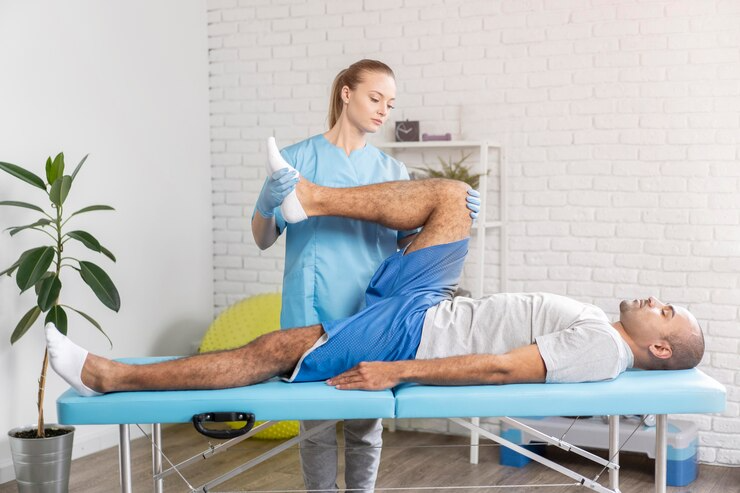
Why is GS Physiotherapy Considered the Best Physiotherapy Clinic in Gurgaon?
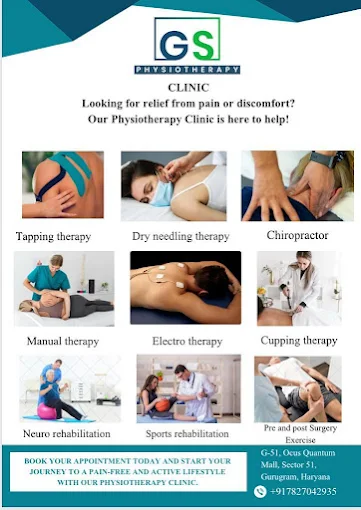
क्यों GS Physiotherapy को गुड़गांव में सर्वश्रेष्ठ फिजियोथेरेपी क्लिनिक माना जाता है?
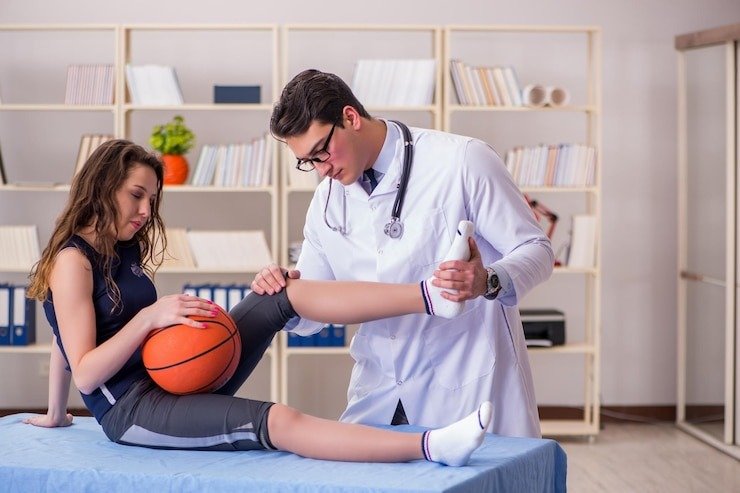
What Techniques Are Used at GS Physiotherapy for Tennis Elbow Relief?