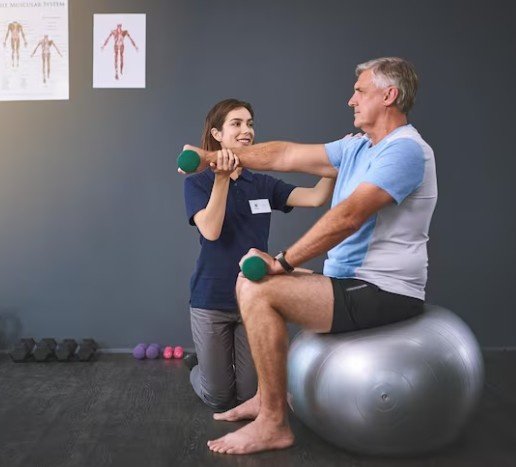
What are the Key Stages of Shoulder Dislocation Rehabilitation at GS Physiotherapy?
Shoulder injuries can be both painful and limiting, especially when it comes to dislocations. A dislocated shoulder can drastically affect daily activities — from simple movements like dressing or reaching overhead to sports and fitness routines. At GS Physiotherapy, we provide the Best Rehabilitation After Shoulder Dislocation in Sector-51, Gurugram, designed to restore shoulder strength, stability, and mobility safely and effectively. Our expert physiotherapists use evidence-based treatment techniques and personalized care to ensure a full and confident recovery.
For fast notification, contact us on WhatsApp.
Understanding Shoulder Dislocation
The shoulder joint (glenohumeral joint) is one of the most mobile joints in the human body, allowing a wide range of motion. However, this mobility comes with a trade-off — reduced stability. A shoulder dislocation occurs when the head of the humerus (upper arm bone) slips out of its socket, typically due to a sudden injury, fall, or sports trauma.
After the shoulder is relocated, proper physiotherapy becomes crucial to prevent recurrence and to regain full functionality. Without structured rehabilitation, patients may experience stiffness, weakness, or even repeat dislocations.
That’s where GS Physiotherapy, known for offering the Best Rehabilitation After Shoulder Dislocation in Sector-51, Gurugram, steps in to guide patients through every stage of healing.
Stage 1: Acute Phase – Pain Management and Protection
The initial phase after shoulder dislocation focuses on reducing pain, inflammation, and swelling while protecting the joint from further damage. At GS Physiotherapy, our expert therapists create a tailored recovery plan that begins immediately after the dislocation is corrected (whether closed or surgically treated).
During this phase:
The shoulder is usually supported with a sling or brace to limit movement.
Cryotherapy (ice therapy) is applied to control pain and swelling.
Gentle isometric exercises are introduced to maintain muscle tone without straining the joint.
The physiotherapist also educates patients on proper sleeping and resting postures.
Our skilled team ensures that every exercise and movement is performed safely to avoid complications. As part of the Best Rehabilitation After Shoulder Dislocation in Sector-51, Gurugram, we emphasize early intervention and correct posture to set a strong foundation for the next stages.
Stage 2: Early Mobilization – Regaining Range of Motion
Once the acute pain and inflammation subside, it’s time to gradually restore shoulder mobility. This phase requires precision, as moving too fast can cause instability, while moving too slow can lead to stiffness.
At GS Physiotherapy, we use passive and assisted range-of-motion exercises under close supervision. Common exercises during this stage include:
Pendulum exercises for gentle shoulder swings.
Assisted flexion and abduction to enhance movement gradually.
Scapular stabilization exercises to rebuild shoulder blade control.
By combining manual therapy techniques with scientifically guided movement, our therapists help patients regain confidence in using their shoulder. This phase is a crucial part of the Best Rehabilitation After Shoulder Dislocation in Sector-51, Gurugram, as it prevents the development of frozen shoulder and maintains joint health.
Stage 3: Strengthening Phase – Building Muscle Support
As mobility improves, the next focus is rebuilding the muscles that stabilize the shoulder joint. Strengthening the rotator cuff and scapular muscles is essential to prevent future dislocations and to restore full shoulder function.
In this stage, our physiotherapists at GS Physiotherapy introduce progressive resistance exercises using bands, light weights, and bodyweight movements. Exercises may include:
External and internal rotation using resistance bands.
Scapular retraction and protraction drills.
Shoulder presses and wall push-ups for endurance.
What makes GS Physiotherapy stand out is our focus on functional strengthening — exercises that simulate real-life movements. This ensures that patients not only heal but also regain the strength to return to their jobs, hobbies, or sports. That’s why our center is widely recognized for providing the Best Rehabilitation After Shoulder Dislocation in Sector-51, Gurugram.

Stage 4: Proprioception and Stability Training
Shoulder dislocations often affect the joint’s proprioception — the body’s ability to sense its position and movement. Without retraining proprioception, even a strong shoulder may remain vulnerable to repeat injuries.
At GS Physiotherapy, we incorporate stability and coordination exercises that challenge the shoulder in safe, controlled ways. These include:
Balance and stability drills using a therapy ball or wobble board.
Closed-chain exercises, such as plank variations.
Resistance perturbation training, where gentle external forces are applied to train the shoulder to react appropriately.
This stage not only enhances shoulder stability but also builds neuromuscular control — a vital element in long-term recovery. By mastering these exercises under expert guidance, patients can move confidently again. No wonder our center is frequently chosen for the Best Rehabilitation After Shoulder Dislocation in Sector-51, Gurugram.
Stage 5: Functional and Sports-Specific Training
The final phase of shoulder dislocation rehabilitation focuses on restoring full, pain-free function. Depending on the patient’s lifestyle and activity level, physiotherapists design personalized training programs that simulate daily or athletic tasks.
At GS Physiotherapy, we:
Reintroduce sport-specific drills for athletes.
Implement occupational movement retraining for working professionals.
Teach advanced dynamic exercises to ensure full control during complex motions.
Our physiotherapists use a gradual return-to-activity protocol, ensuring the shoulder can handle various loads and directions without pain or instability. Whether you’re a sportsperson or someone simply looking to return to normal life, this phase ensures your shoulder is resilient and ready.
This level of personalized, functional rehabilitation is what makes GS Physiotherapy the trusted name for the Best Rehabilitation After Shoulder Dislocation in Sector-51, Gurugram.
Why Choose GS Physiotherapy?
At GS Physiotherapy, we don’t just treat an injury — we rebuild confidence, mobility, and performance. Our rehabilitation programs are designed around scientific evidence, advanced technology, and compassionate care. Every patient receives one-on-one attention, ensuring that each movement and milestone is achieved safely.
Key highlights of GS Physiotherapy:
Certified and experienced physiotherapists.
Advanced diagnostic and therapeutic equipment.
Customized exercise protocols for each recovery stage.
Focus on long-term prevention and shoulder health.
Our holistic approach ensures faster recovery, reduced recurrence risk, and complete functional restoration — setting us apart as the provider of the Best Rehabilitation After Shoulder Dislocation in Sector-51, Gurugram.
Conclusion
Recovering from a shoulder dislocation is a journey that requires expertise, patience, and personalized care. Each stage — from pain management and mobility restoration to strengthening and functional retraining — plays a critical role in achieving full recovery.
At GS Physiotherapy, we take pride in offering the Best Rehabilitation After Shoulder Dislocation in Sector-51, Gurugram, guiding our patients every step of the way toward a pain-free, confident, and active life. With expert supervision and customized care plans, you can trust us to help you move better, stronger, and smarter.
For more information about GS Physiotherapy, visit https://gsphysiotherapy.in/ to learn more about their services or to book an appointment.
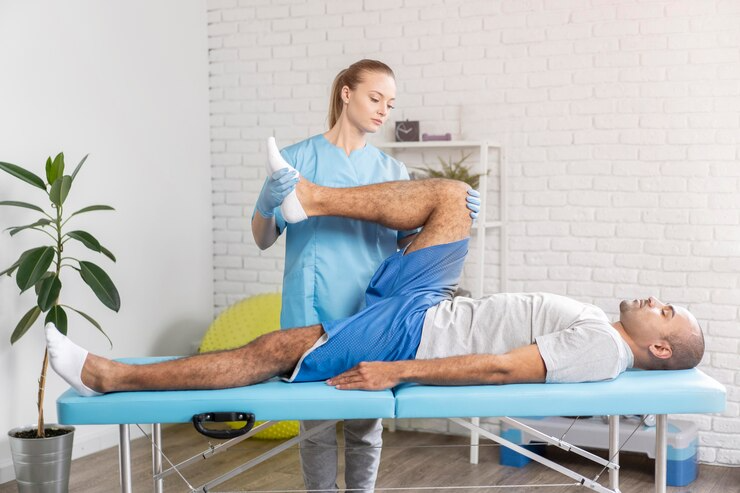
Why is GS Physiotherapy Considered the Best Physiotherapy Clinic in Gurgaon?
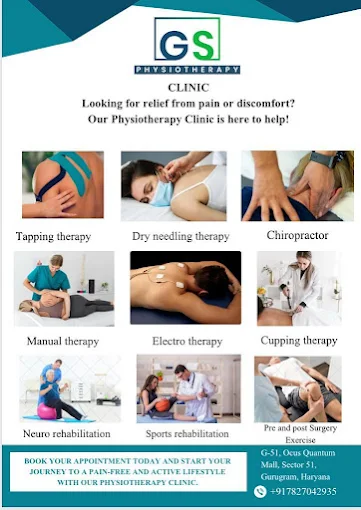
क्यों GS Physiotherapy को गुड़गांव में सर्वश्रेष्ठ फिजियोथेरेपी क्लिनिक माना जाता है?
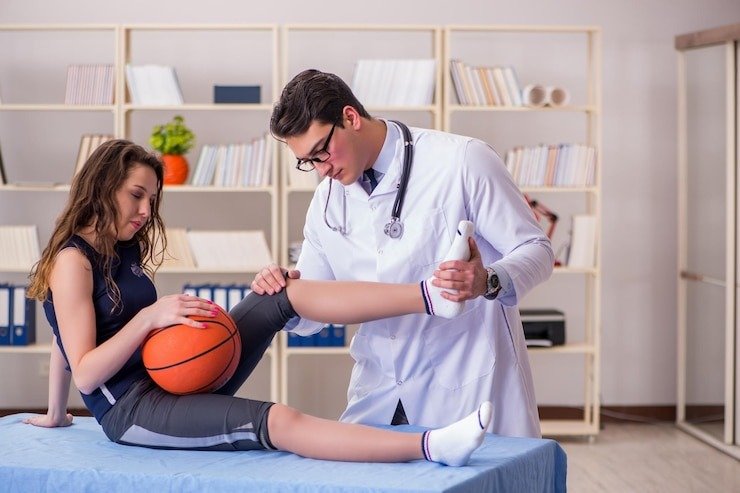
What Techniques Are Used at GS Physiotherapy for Tennis Elbow Relief?