
Can Physiotherapy Improve Posture and Reduce Body Stiffness?
Author:GS Physiotherapy
In today’s fast-paced lifestyle, poor posture, prolonged sitting, and lack of physical activity have become common causes of body stiffness and muscular discomfort. Many people experience neck pain, shoulder tightness, back discomfort, and reduced flexibility because of unhealthy daily habits. At the Best Physiotherapy Clinic in Gurugram, physiotherapy plays an important role in correcting posture, improving mobility, and reducing stiffness naturally. With personalized exercises and targeted treatment techniques, physiotherapy helps individuals regain strength, flexibility, and comfort in their daily activities.
Modern physiotherapy focuses on restoring movement, improving body alignment, and preventing long-term musculoskeletal problems. Clinics such as GS Physiotherapy
provide personalized rehabilitation programs designed to improve posture and mobility.
For fast notification, contact us on WhatsApp.
Understanding Poor Posture and Body Stiffness
Poor posture develops when the body remains in incorrect positions for extended periods. Sitting for long hours while working on laptops, using smartphones excessively, or standing incorrectly can gradually affect spinal alignment. Consequently, muscles become tight and weak over time.
Body stiffness usually occurs when muscles and joints lose flexibility. People often notice stiffness in the neck, lower back, shoulders, or legs after waking up or after sitting for several hours. If ignored, these issues may eventually affect mobility and overall quality of life.
Fortunately, physiotherapy addresses both the symptoms and the root causes of these conditions.
How the Best Physiotherapy Clinic in Gurugram Helps Correct Posture
Professional physiotherapists carefully assess body alignment, muscle imbalance, and movement patterns before designing a treatment plan. At the Best Physiotherapy Clinic in Gurugram, posture correction programs are tailored according to the patient’s condition, lifestyle, and work habits.
Postural Assessment and Diagnosis
The first step in physiotherapy is understanding the source of the problem. Physiotherapists evaluate:
Spinal alignment
Shoulder and hip balance
Muscle tightness and weakness
Sitting and standing posture
Walking patterns
This assessment helps identify which muscles require strengthening and which areas need flexibility improvement.
Strengthening Weak Muscles
Weak core muscles often contribute to poor posture. Physiotherapy exercises strengthen the abdomen, back, and pelvic muscles to support the spine properly. As a result, patients experience better balance and improved posture during daily activities.
Additionally, stronger muscles reduce strain on joints and ligaments.
Stretching Tight Muscles
Muscle tightness commonly develops in the neck, shoulders, chest, and lower back. Physiotherapists use guided stretching exercises to improve flexibility and reduce stiffness.
Regular stretching sessions can:
Improve joint movement
Reduce muscular tension
Enhance circulation
Prevent future stiffness
Therefore, patients gradually feel more relaxed and mobile.
Physiotherapy Techniques for Reducing Body Stiffness
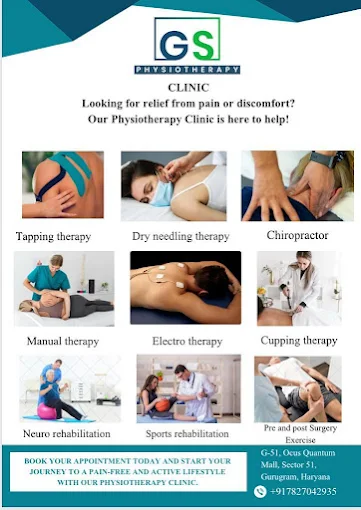
Different physiotherapy methods are used to reduce stiffness and restore movement. According to treatment requirements, physiotherapists may combine several approaches for better recovery.
Manual Therapy
Manual therapy involves hands-on techniques that help improve joint mobility and reduce muscle tightness. Physiotherapists use controlled movements and soft tissue manipulation to relieve discomfort effectively.
This technique is especially useful for people experiencing stiffness in the neck, shoulders, and back.
Exercise Therapy
Exercise therapy forms the foundation of posture correction and stiffness management. Specific exercises improve flexibility, strength, and coordination.
Some common exercises include:
Core strengthening exercises
Shoulder stabilization exercises
Neck mobility exercises
Spine stretching routines
Balance training
Over time, these exercises improve body mechanics significantly.
Electrotherapy for Pain Relief
Electrotherapy is often used to reduce pain and muscle spasms. It stimulates muscles and promotes healing without invasive procedures. Consequently, patients feel more comfortable during movement and rehabilitation sessions.
Dry Needling and Trigger Point Therapy
Tight muscles often develop painful trigger points that restrict movement. Dry needling helps release these trigger points and improves muscle flexibility.
This treatment may reduce chronic stiffness and improve posture-related discomfort effectively.
Benefits of Visiting the Best Physiotherapy Clinic in Gurugram
Choosing professional physiotherapy offers several long-term advantages. At the Best Physiotherapy Clinic in Gurugram, patients receive comprehensive care focused on recovery and prevention.
Improved Spinal Alignment
Physiotherapy helps maintain proper spinal positioning. Better alignment reduces pressure on muscles and joints, leading to improved posture and comfort.
Reduced Muscle Tension
Tight muscles relax gradually with therapy and guided exercises. As tension decreases, body stiffness also reduces significantly.
Better Flexibility and Mobility
Regular physiotherapy sessions improve flexibility and joint movement. Patients often notice smoother movement during walking, bending, and sitting.
Prevention of Chronic Pain
Poor posture can eventually lead to chronic neck pain, back pain, and headaches. Physiotherapy prevents these complications by correcting movement patterns early.
Enhanced Daily Function
Simple activities such as sitting, standing, driving, and working become easier after posture correction and stiffness reduction.
Why Poor Posture Should Not Be Ignored
Many people ignore posture-related discomfort until pain becomes severe. However, untreated posture problems may gradually affect spinal health and muscle balance.
Research also highlights the relationship between posture and joint stiffness. Studies on body mechanics show that posture influences muscular stiffness and movement efficiency.
Poor posture may contribute to:
Chronic back pain
Reduced flexibility
Muscle fatigue
Joint strain
Poor balance
Reduced productivity
Therefore, early physiotherapy intervention becomes highly beneficial.
Lifestyle Changes That Support Physiotherapy
While physiotherapy provides excellent results, healthy lifestyle habits also support recovery. Physiotherapists often recommend simple modifications that improve posture throughout the day.
Maintain Proper Sitting Position
Keep the back straight while sitting and avoid slouching. Use ergonomic chairs whenever possible.
Take Frequent Movement Breaks
Avoid sitting continuously for long hours. Stretching and walking every 30–40 minutes can reduce stiffness effectively.
Stay Physically Active
Regular physical activity improves circulation, flexibility, and muscle strength.
Practice Correct Sleeping Posture
Sleeping positions also affect spinal alignment. Using proper pillows and mattresses can reduce strain on the neck and back.
Role of Personalized Physiotherapy Care
Every individual experiences stiffness and posture issues differently. Some people develop neck pain due to desk jobs, while others experience lower back stiffness because of sedentary lifestyles or injuries.
That is why personalized physiotherapy plans are important. Clinics like GS Physiotherapy
focus on individualized care programs that target specific patient needs and mobility goals.
Customized therapy ensures faster recovery and long-term improvement.
Conclusion
Physiotherapy is highly effective in improving posture and reducing body stiffness. Through targeted exercises, manual therapy, stretching techniques, and posture correction strategies, physiotherapy helps restore flexibility, mobility, and overall comfort. At the Best Physiotherapy Clinic in Gurugram, expert physiotherapists create personalized treatment plans that address the root causes of stiffness and postural imbalance.
Ignoring posture-related problems may eventually lead to chronic pain and restricted movement. However, with timely physiotherapy intervention, individuals can improve body alignment, reduce muscular tension, and enjoy a healthier, more active lifestyle.
For more information about GS Physiotherapy, visit https://gsphysiotherapy.in/ to learn more about their services or to book an appointment.

Why is GS Physiotherapy Considered the Best Physiotherapy Clinic in Gurgaon?
क्यों GS Physiotherapy को गुड़गांव में सर्वश्रेष्ठ फिजियोथेरेपी क्लिनिक माना जाता है?

What Techniques Are Used at GS Physiotherapy for Tennis Elbow Relief?