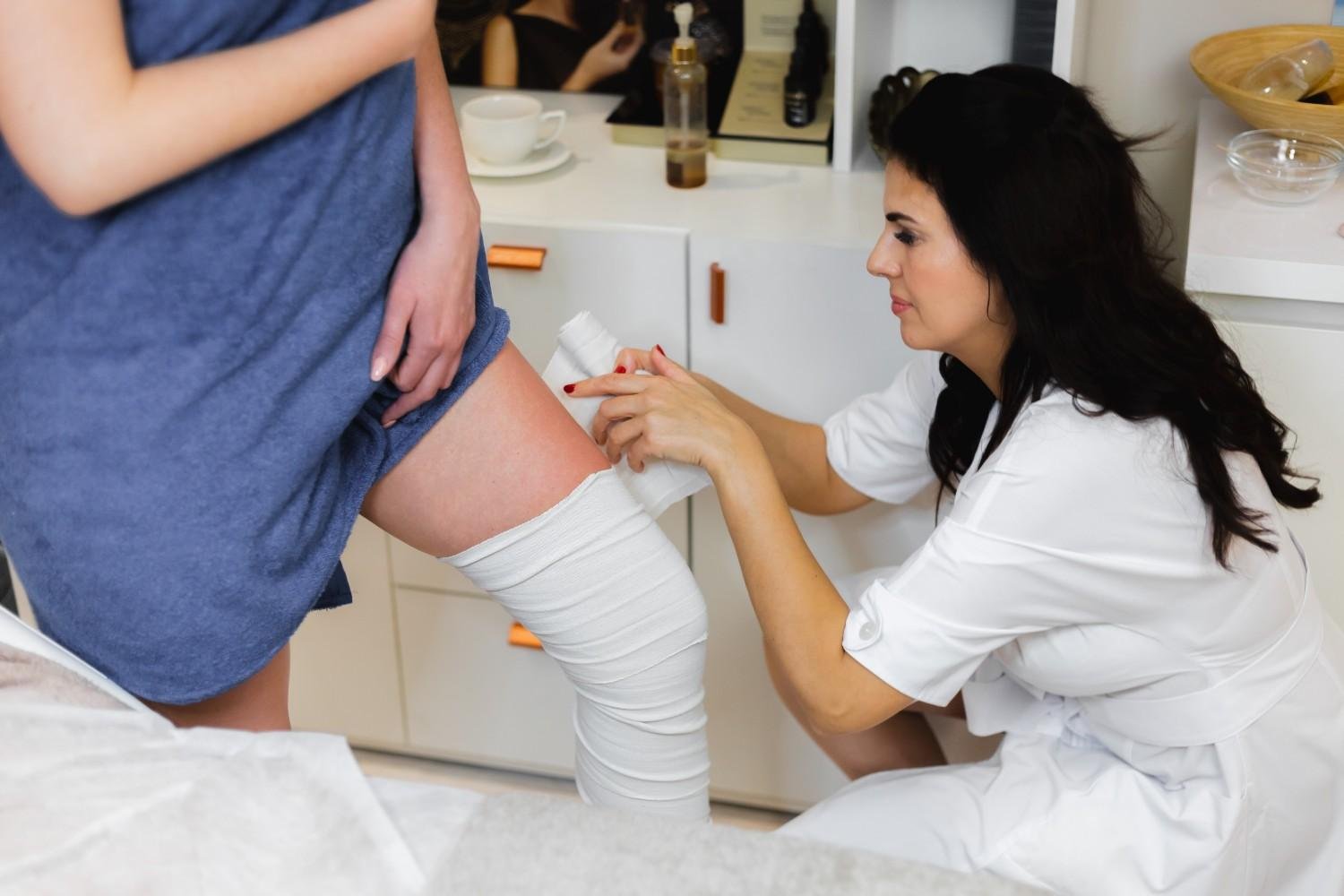
What are the common symptoms of a Baker’s cyst that need physiotherapy treatment?
Author: GS Physiotherapy
A Baker’s cyst is a fluid-filled swelling that develops behind the knee. Although it may appear harmless initially, the condition can gradually affect mobility, comfort, and daily activities. Seeking the Best Baker’s Cyst Physiotherapy in Gurugram can help reduce pain, improve movement, and prevent further complications. Physiotherapy plays a vital role because it addresses both the cyst and the underlying knee problem causing it.
At GS Physiotherapy, patients receive personalized rehabilitation programs focused on restoring knee function and reducing inflammation. The clinic offers advanced physiotherapy techniques, manual therapy, and exercise-based rehabilitation in Gurugram.
For fast notification, contact us on WhatsApp.
Understanding Baker’s Cyst and Knee Swelling
A Baker’s cyst, also known as a popliteal cyst, forms when excess joint fluid collects behind the knee. In many cases, it develops due to arthritis, cartilage damage, sports injuries, or knee inflammation. Consequently, the swelling can become painful and limit knee movement.
Some people notice only mild discomfort, while others experience severe tightness and stiffness. Therefore, identifying the symptoms early is important for effective recovery.
Common Symptoms That Need Baker’s Cyst Physiotherapy
Swelling Behind the Knee
One of the most noticeable symptoms is a soft lump or swelling behind the knee. The swelling may become larger after prolonged standing or physical activity. In some cases, the size changes throughout the day.
Physiotherapy helps reduce inflammation and improve joint mechanics. Moreover, targeted exercises support fluid drainage and reduce pressure in the knee joint.
Knee Pain During Movement
Pain while bending or straightening the knee is another common symptom. Walking, climbing stairs, or squatting may become uncomfortable. As a result, many people avoid movement, which further weakens the muscles around the knee.
The Best Baker’s Cyst Physiotherapy in Gurugram focuses on strengthening muscles and improving flexibility. This approach reduces stress on the affected area and supports long-term healing.
Tightness and Stiffness Around the Knee
Many patients experience stiffness, especially in the morning or after sitting for long periods. Tightness behind the knee can make movement difficult and reduce overall mobility.
Physiotherapists use stretching exercises, mobility training, and manual therapy techniques to restore joint flexibility. Additionally, regular therapy sessions improve circulation and decrease muscle tension.
Signs That Physiotherapy for Baker’s Cyst Is Necessary
Difficulty Walking or Standing
When the cyst becomes larger, walking and standing for long periods can feel uncomfortable. Some individuals develop an altered walking pattern because they try to avoid pain. Consequently, extra pressure may affect other joints like the hips and ankles.
Physiotherapy corrects posture and gait patterns while strengthening supporting muscles. This helps patients move more comfortably and safely.
Reduced Knee Range of Motion
A Baker’s cyst may prevent the knee from fully bending or straightening. Limited movement often interferes with daily activities such as sitting, exercising, or driving.
At GS Physiotherapy, rehabilitation plans include guided exercises designed to restore range of motion and improve knee stability.
Pain After Physical Activity
Many people notice increased pain after walking, sports, or exercise. The knee may feel heavy or fatigued after activity. Therefore, ignoring the discomfort can worsen the condition over time.
Physiotherapy treatment includes activity modification and strengthening exercises that help patients stay active without increasing pain.
Why Choose the Best Baker’s Cyst Physiotherapy in Gurugram?
Proper physiotherapy treatment addresses the root cause instead of only controlling symptoms. Since Baker’s cysts often develop due to knee joint problems, identifying the underlying issue is essential for lasting relief.
Personalized Treatment Plans
Every patient experiences different symptoms and mobility limitations. Therefore, physiotherapists create customized programs based on pain level, flexibility, and activity goals.
Treatment may include:
Manual therapy
Stretching exercises
Strengthening programs
Electrotherapy
Posture correction
Mobility exercises
Non-Surgical Pain Management
In many cases, physiotherapy reduces pain naturally without surgery. Moreover, exercise-based rehabilitation improves muscle support around the knee joint.
The team at GS Physiotherapy provides evidence-based physiotherapy treatments for musculoskeletal and orthopedic conditions in Gurugram.
How Physiotherapy Helps Relieve Baker’s Cyst Symptoms
Strengthening Knee Muscles
Weak muscles increase pressure on the knee joint. Physiotherapy strengthens the quadriceps, hamstrings, and calf muscles to provide better support.
As muscle stability improves, stress on the knee decreases significantly.
Improving Flexibility and Mobility
Tight muscles and stiff joints often worsen symptoms. Stretching exercises improve flexibility and help patients regain comfortable movement.
Furthermore, mobility training prevents stiffness from returning.
Reducing Inflammation
Inflammation contributes to pain and swelling. Physiotherapists use techniques such as cold therapy, ultrasound therapy, and gentle exercises to control inflammation naturally.
Consequently, patients often notice reduced discomfort and improved movement after consistent therapy sessions.
Symptoms That Should Not Be Ignored
Some Baker’s cyst symptoms may indicate worsening joint issues. You should seek physiotherapy assessment if you notice:
Persistent knee swelling
Increasing pain behind the knee
Difficulty bending the knee
Tightness after walking
Weakness in the leg
Limited movement during daily activities
Early physiotherapy intervention improves recovery outcomes and helps prevent chronic knee problems.
Baker’s Cyst Rehabilitation and Recovery
Recovery time depends on the severity of the cyst and the underlying knee condition. However, consistent physiotherapy significantly improves mobility, strength, and pain levels.
Patients are usually advised to:
Avoid excessive knee strain
Follow prescribed exercises regularly
Maintain healthy body weight
Improve posture and walking mechanics
Stay physically active with guided therapy
Because rehabilitation focuses on long-term knee health, physiotherapy reduces the risk of symptom recurrence.
Expert Physiotherapy Care in Gurugram
Choosing experienced physiotherapists ensures accurate assessment and effective treatment. GS Physiotherapy offers orthopedic physiotherapy, manual therapy, exercise therapy, and rehabilitation programs for various musculoskeletal conditions in Gurugram.
Patients benefit from individualized care plans that target pain relief, mobility improvement, and functional recovery.
Conclusion
A Baker’s cyst can cause pain, stiffness, swelling, and reduced mobility if left untreated. Recognizing the symptoms early allows patients to receive proper care before the condition worsens. The Best Baker’s Cyst Physiotherapy in Gurugram focuses on relieving pain, improving knee function, and treating the underlying cause effectively.
With expert guidance, personalized exercises, and advanced rehabilitation techniques, physiotherapy helps patients return to daily activities comfortably and safely. If knee swelling or stiffness affects your movement, seeking professional physiotherapy treatment can support faster and more effective recovery.
For more information about GS Physiotherapy, visit https://gsphysiotherapy.in/ to learn more about their services or to book an appointment.

Why is GS Physiotherapy Considered the Best Physiotherapy Clinic in Gurgaon?
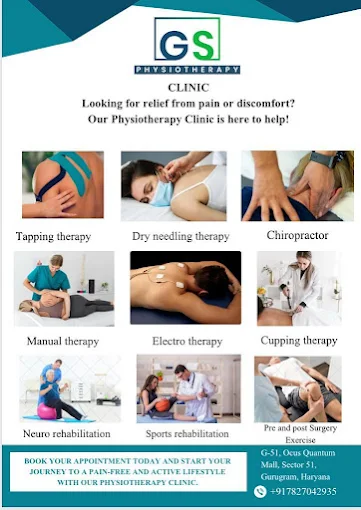
क्यों GS Physiotherapy को गुड़गांव में सर्वश्रेष्ठ फिजियोथेरेपी क्लिनिक माना जाता है?

What Techniques Are Used at GS Physiotherapy for Tennis Elbow Relief?